

Assembly Lines

Introduction to Assembly Lines

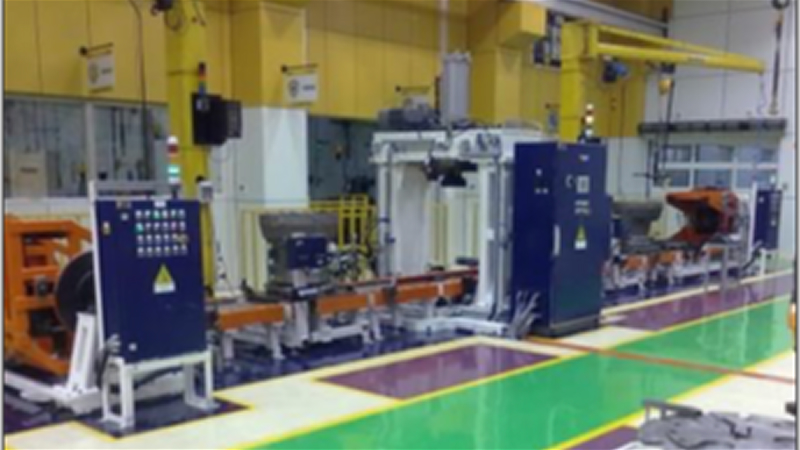
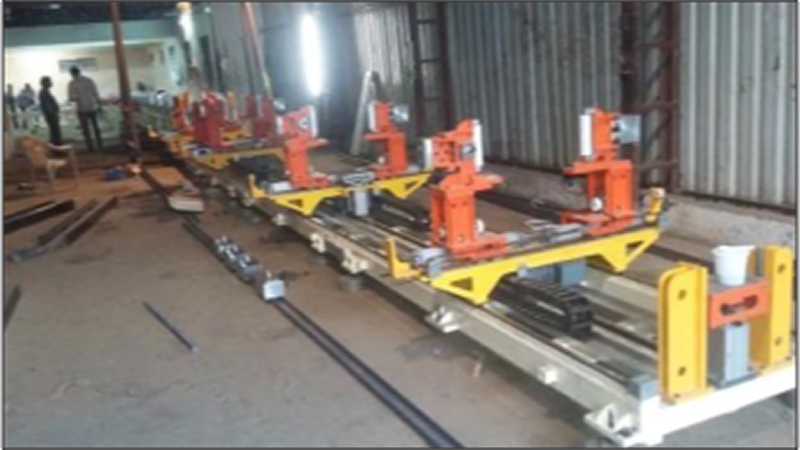
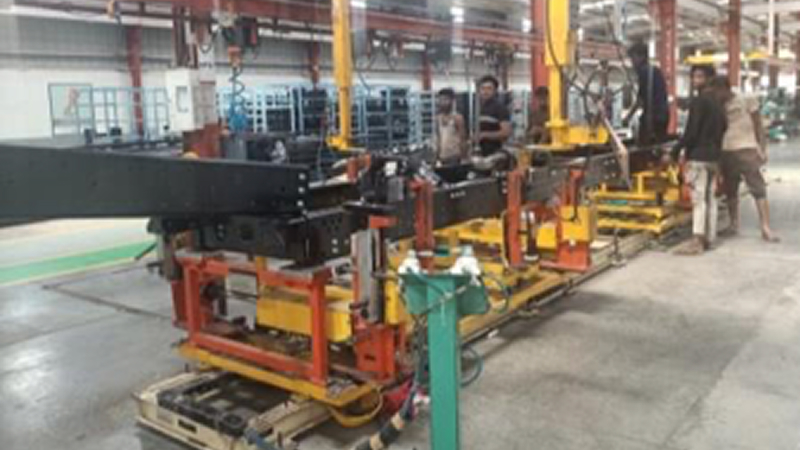
An Assembly Line is a manufacturing process in which a product is assembled through a sequential flow of operations. In this system, the product moves from one workstation to the next, and at each station, a specific task is performed. Assembly lines are commonly used for mass production of standardized products, where efficiency, speed, and uniform quality are essential. They can be manual, semi-automated, or fully automated, depending on the production requirements.

Features of Assembly Lines

Sequential Workflow

• Tasks are organized in a logical sequence, allowing the product to be built step by step.

Task Specialization

• Each worker or machine focuses on a specific, repetitive task, improving efficiency.

Conveyor or Transfer Systems

• Parts and products are moved automatically or manually along the line.

Flexible or Fixed Layout

• Can be designed for a single product (fixed) or multiple product variants (flexible).

Automation Integration

• Incorporates robotic arms, sensors, and control systems for automated processes.

Quality Control Points

• Regular inspection stations can be integrated to detect defects early.

Ergonomic Workstations

• Designed to reduce operator fatigue and ensure safety.

Scalability

• Can be expanded or modified to meet production changes or demand.

Applications of Assembly Lines

  • Automotive Industry – Mass production of vehicles, engines, transmissions, and electrical components.
  • Electronics Manufacturing – Assembly of smartphones, computers, circuit boards, and household gadgets.
  • Appliance and Consumer Goods – Production of items like refrigerators, washing machines, air conditioners, and kitchen tools.
  • Aerospace and Defense – Assembly of aircraft components, avionics, and military-grade equipment.
  • Toys and Furniture Manufacturing – Efficient production of plastic, metal, or wooden parts into final consumer products.

Advantages of Assembly Lines

High Production Efficiency

• Greatly increases output and reduces manufacturing time per unit

Cost-Effective for Mass Production

• Reduces labor and operational costs through standardization and automation

Improved Product Consistency

• Ensures uniformity and quality in each product made.

Less Skilled Labor Required

• Workers perform simplified tasks, reducing the need for highly skilled personnel.

Easy Monitoring and Control

• Allows real-time tracking of production metrics and quality checks.

Quick Identification of Bottlenecks

• Easier to analyze and optimize individual stages of the process.

Adaptability with Modular Systems

• Can be reconfigured for different products or production volumes with minimal downtime.

Supports Lean Manufacturing

• Helps minimize waste, excess inventory, and non-value-adding activities.