

1-min
previous arrow
next arrow

Assembly Fixtures

Introduction to Assembly Fixture

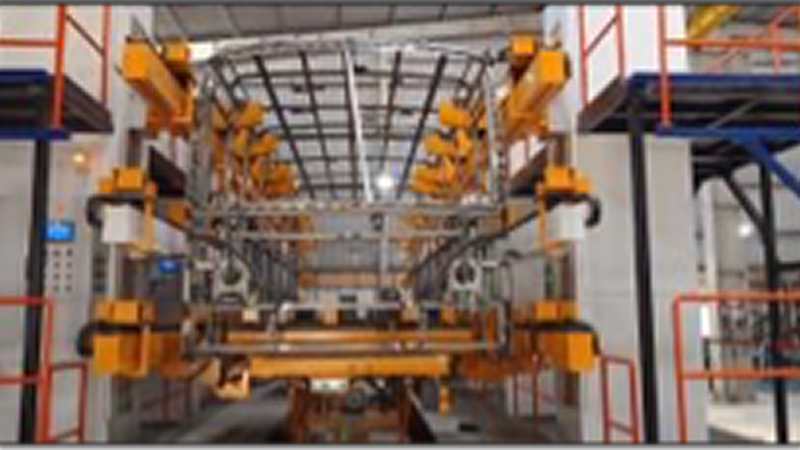
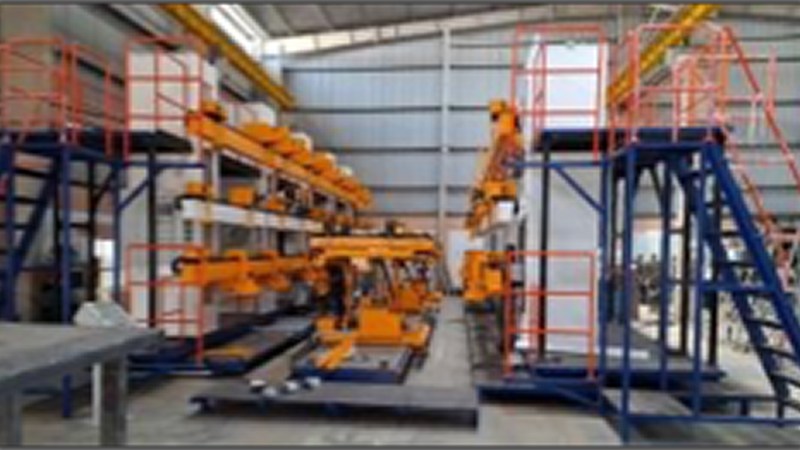
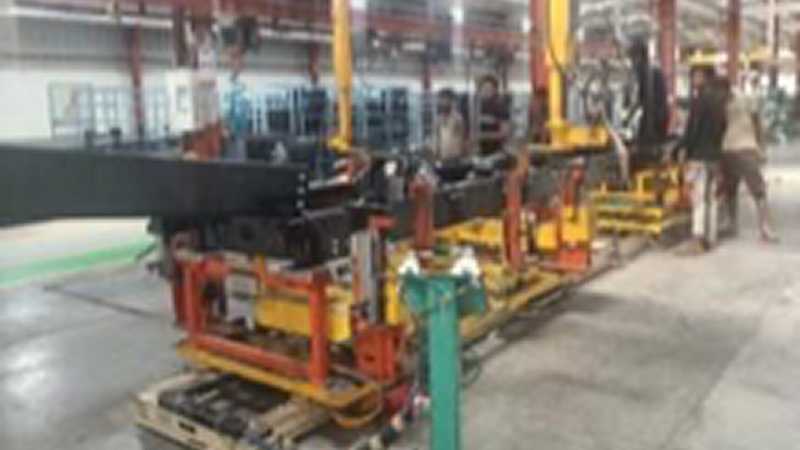
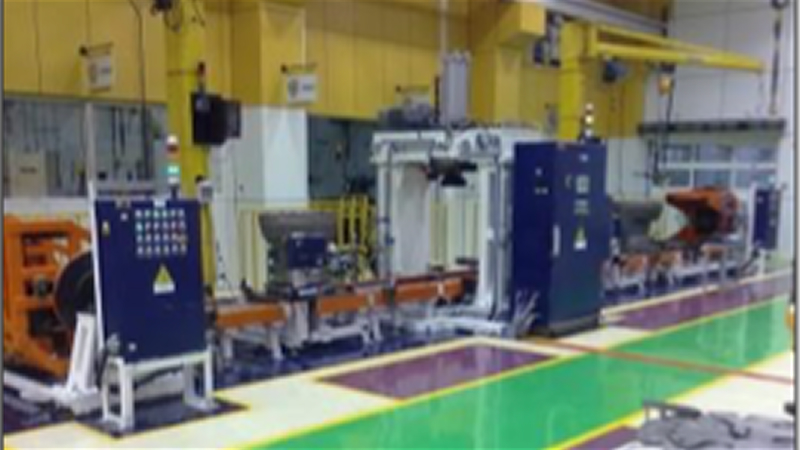
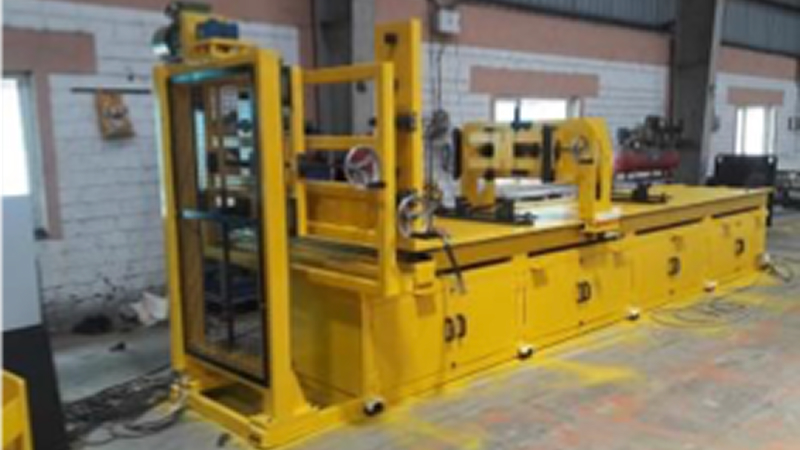
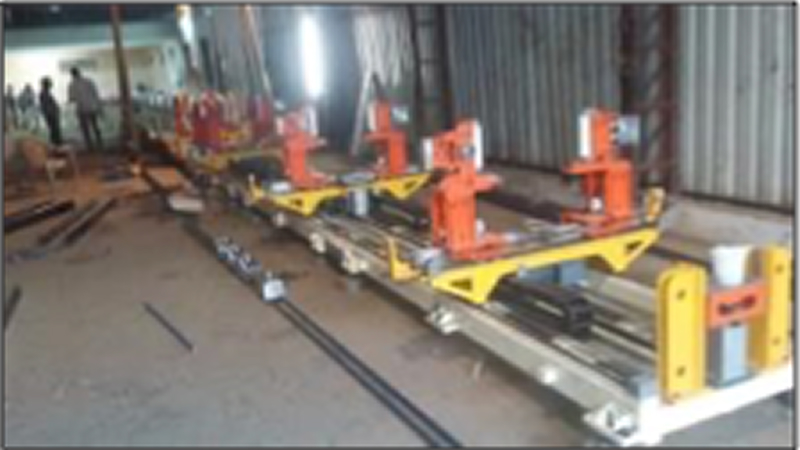
An Assembly Fixture is a specialized tool or device used in manufacturing and production processes to hold, position, and support various components in their proper location for assembly operations. Unlike general-purpose tools, fixtures are custom-designed for specific tasks, ensuring accuracy, repeatability, and efficiency in assembling parts. They play a crucial role in both manual and automated assembly lines by minimizing human error and enhancing production consistency.

Features of Assembly Fixtures

High Precision and Accuracy

• Maintains exact positioning and alignment of parts during the assembly process.

Robust Construction

• Built from durable materials (e.g., steel, aluminum) to withstand repetitive use and mechanical stress.

Repeatability

• Ensures consistent assembly quality across multiple units with minimal variation.

Customization

• Designed to fit specific part geometries and assembly requirements.

Ease of Operation

• Simple to use by operators or robots with minimal training.

Locating and Clamping Mechanisms

• Includes precise locating pins, clamps, and supports to hold components securely in place.

Ergonomics and Safety

• Designed to facilitate ease of use, reduce operator fatigue, and ensure safety

Interchangeable Components

• Some fixtures may include interchangeable or modular components for flexibility.

Applications of Assembly Fixtures

  • Automotive Industry- Used for assembling car body panels, engine components, and interior fittings.
  • Aerospace Manufacturing – Precision assembly of aircraft fuselage sections, wings, and  landing gear.
  • Electronics – Aligning and assembling circuit boards, casings, and connectors.
  • Consumer Appliances – Assembly of washing machines, refrigerators, and air conditioners.
  • Robotics and Automation – Integration with robotic arms for automated assembly lines.
  • Joining Operations – Holding parts in place for riveting, or bolting.

Advantages of Assembly Fixtures

Improved Accuracy and Quality

• Reduces misalignment and defects in the final product.

Enhanced Productivity

• Speeds up assembly operations and reduces cycle times.

Reduced Operator Skill Dependency

• Minimizes reliance on manual skills, making it easier to train new workers.

Consistency and Repeatability

• Delivers uniform output over large production runs.

Cost Savings

• Reduces rework, material waste, and inspection time.

Supports Automation

• Easily integrates with robotic systems for smart manufacturing.

Safer Working Environment

• Reduces risks of injury by securing components during assembly.