

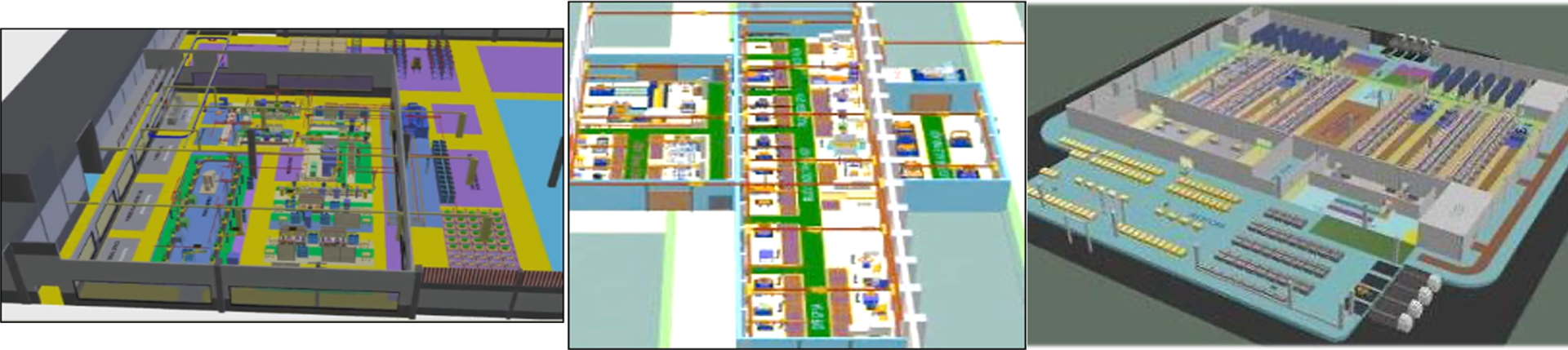
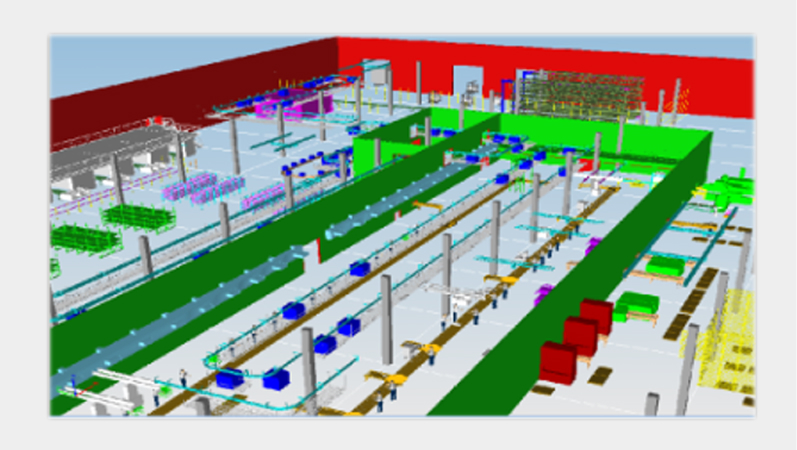
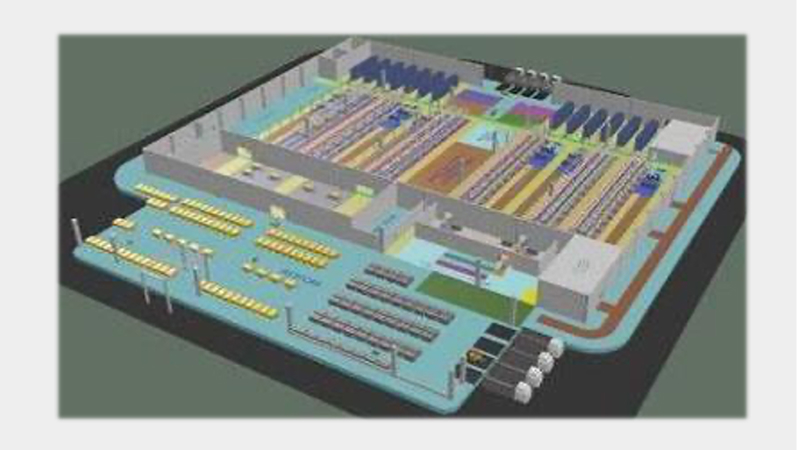
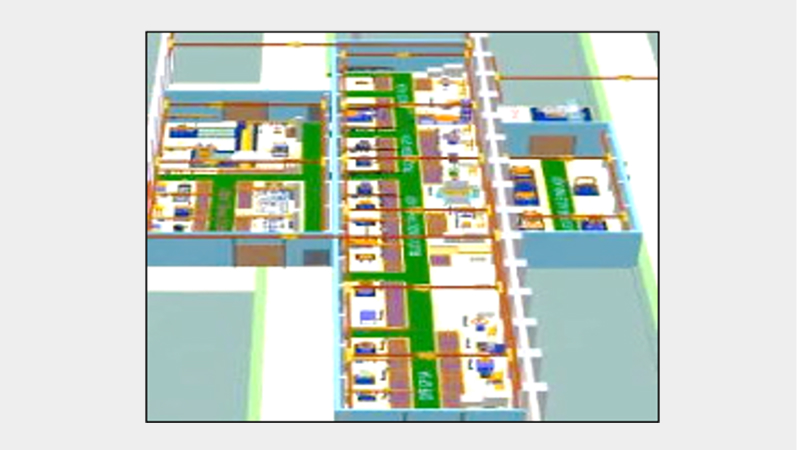
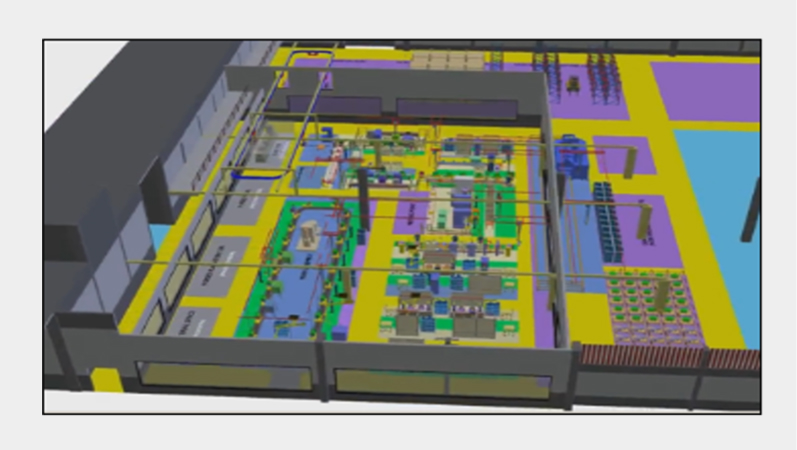
A Digital Factory is a virtual representation of a manufacturing environment, combining digital models, simulations, real-time data, and analytics to support design, planning, operation, and optimization of production systems. It represents the entire lifecycle of a product and its manufacturing process in a digital space.
Factory Simulation, a key component of the digital factory, involves creating computer-based models of physical production systems to test workflows, detect inefficiencies, and validate changes before applying them in the real world. It enhances visibility, flexibility, and control over complex manufacturing operations.
These technologies are core pillars of Industry 4.0 and smart manufacturing.
Features
Virtual Modeling of Entire Factory
• Complete digital twins of machinery, layout, people, and processes.
Process and Workflow Simulation
• Simulates how products move through machines, stations, and storage.
Integration with IT and Sensors
• Real-time data from sensors feeds into the digital factory for dynamic simulation.
Predictive and Prescriptive Analytics
• Uses AI and analytics to forecast issues and suggest solutions.
Scalable Simulation Environments
• Capable of simulating single machines to entire supply chains.
Real-Time Monitoring & Feedback Loops
• Virtual models update in real-time to reflect changes in the physical environment.
Cross-Disciplinary Collaboration Tools
• Engineers, designers, and managers can work on the same virtual platform.
Applications
Production Planning & Scheduling – Simulates different production sequences for optimal throughput.
Resource Allocation – Optimize use of machines, workforce, and materials.
Factory Layout Optimization – Plan space utilization and material flow for efficiency.
Bottleneck & Downtime Analysis – Identify and mitigate delays in the system before they occur.
New Product Introduction (NPI) – Test how new products will affect existing operations.
Energy Consumption Optimization – Simulate and reduce energy waste through smarter layouts or operations.
Sustainability Planning – Design eco-friendly operations and assess environmental impact.
Employee Training – Use simulations for immersive training without disrupting actual production
Advantages
Increased Operational Efficiency
• Allows testing and refinement of processes virtually.
Reduced Time and Cost
• Minimizes trial-and-error in the physical world, reducing waste and downtime.
Enhanced Agility
• Quickly adapt to market changes or customer demands.
Improved Product and Process Quality
• Early detection of design and process flaws
Safer Work Environments
• Plan for safety in process layout and maintenance activities.
Better Collaboration
• Unified view for all stakeholders — from design to operations
End-to-End Visibility
• Full transparency into operations from planning to execution.
Support for Continuous Improvement
• Ongoing analysis helps refine and improve processes over time