

bannerimg

Plant Layouts

Introduction to Plant Layouts

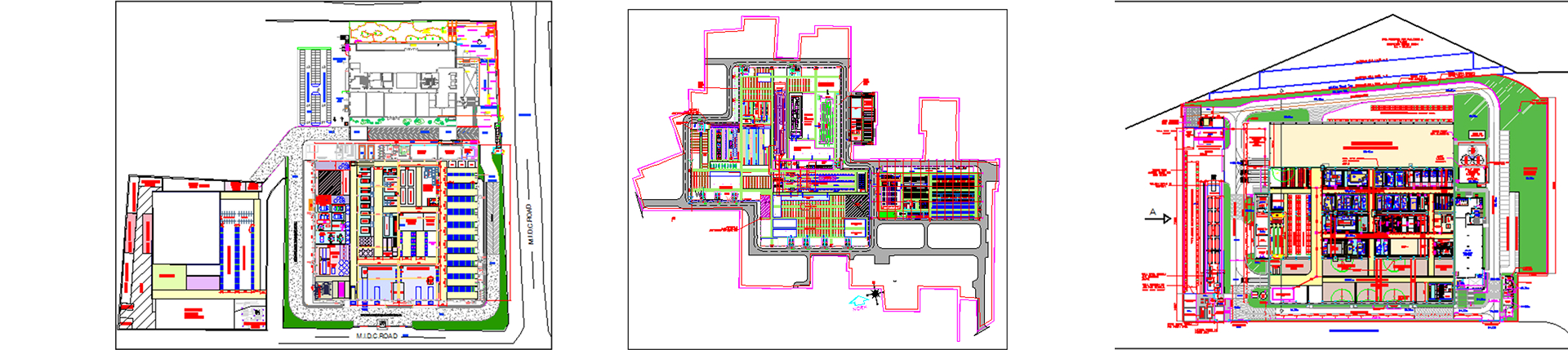
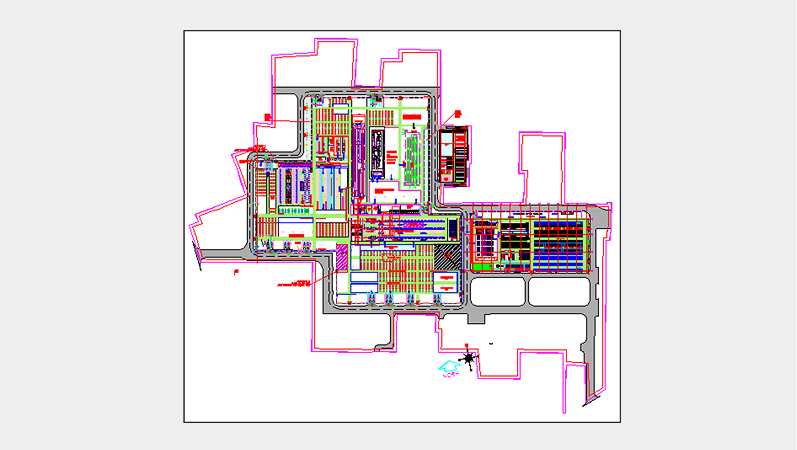
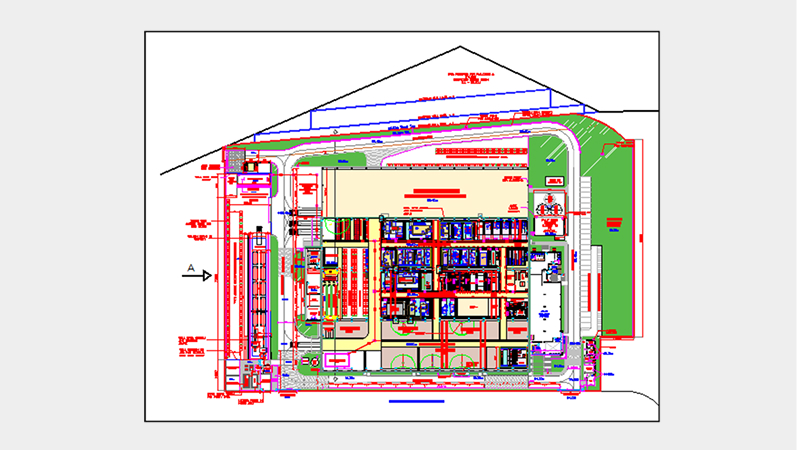
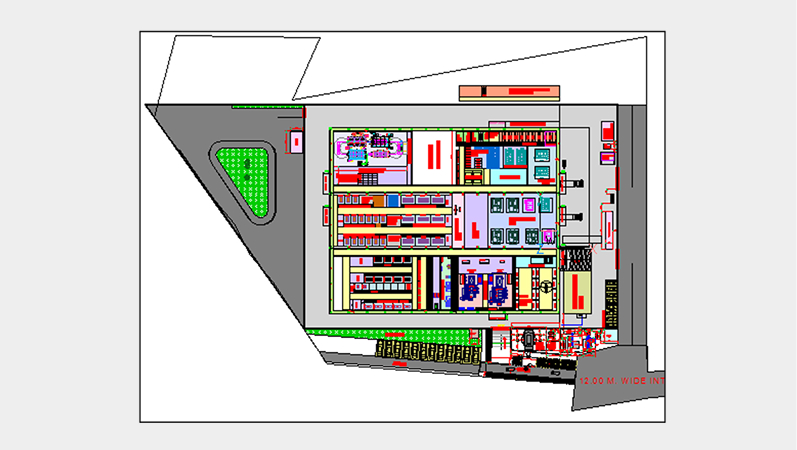
Plant Layout refers to the physical arrangement of machinery, equipment, work areas, and supporting services within a manufacturing or service facility. An effective plant layout ensures a smooth flow of materials, information, and people throughout the facility. The main goal is to maximize productivity, minimize waste and handling, and optimize space utilization while maintaining safety and flexibility.


Proper plant layout design is a foundational element of efficient production systems and directly influences operational costs, quality, and scalability.

Key Features of Plant Layouts

Logical Flow of Operations

• Arranges processes in a logical sequence to support continuous material movement and reduce backtracking.

Space Utilization

• Maximizes the use of available floor space without congestion.

Departmental Zoning

• Grouping of similar activities or functions (e.g., machining, assembly, and packaging)

Material Handling Optimization

• Minimizes the movement of materials, parts, and personnel using efficient pathways and handling systems

Flexibility for Change

• Designed to accommodate future process modifications or expansions.

Worker and Machine Safety

• Incorporates safety zones, clear walkways, and ergonomic access points.

Support Services Integration

• Provisions for power, water, air supply, waste disposal, and storage.

Accessibility and Supervision

• Ensures visibility and access for monitoring, maintenance, and control.

Advantages of Efficient Plant Layouts

  • Increased Production Efficiency – Streamlined workflows reduce process time and idle periods.
  • Reduced Material Handling Costs – Shorter distances and better flow paths lower handling needs and transit time.
  • Better Space Management – Makes the most of floor space while leaving room for future growth.
  • Improved Product Quality – Logical workflow reduces errors, defects, and unnecessary handling.
  • Enhanced Worker Safety and Comfort – Organized environments reduce accidents and improve ergonomics.
  • Simplified Supervision and Control – Clear visibility and access make monitoring operations easier.
  • Increased Flexibility – Modular layouts can quickly adapt to new products or production methods.
  • Supports Lean and Just-In-Time Systems – Reduces waste, inventory levels, and enhances workflow efficiency.